Table of Contents
- Developed Country population from 17% to over 50% of World by 2050 ...
- Global Trends 2025 | visualign
- The World Population in 2025 (forecast 2020 - 2025) - YouTube
- Where people are predicted to live the longest by 2050 | lovemoney.com
- 10 Ramalan Kehidupan Manusia pada 2025 - Global Liputan6.com
- The World in 2025 (I) - YouTube
- World Population 2025 Graphite - Sean Morrison
- How Many Countries Are There in World - 2025
- Half of the World’s Population Could Be Nearsighted by 2050 - Business ...
- I’ve visited every country in the world by 2025 - here’s the clever ...

:strip_icc():format(jpeg)/kly-media-production/medias/700438/original/article-2672526-1F43E05E00000578-461_634x510.jpg)

Introduction to Worldometer


World Population by Year


Regional Population Trends
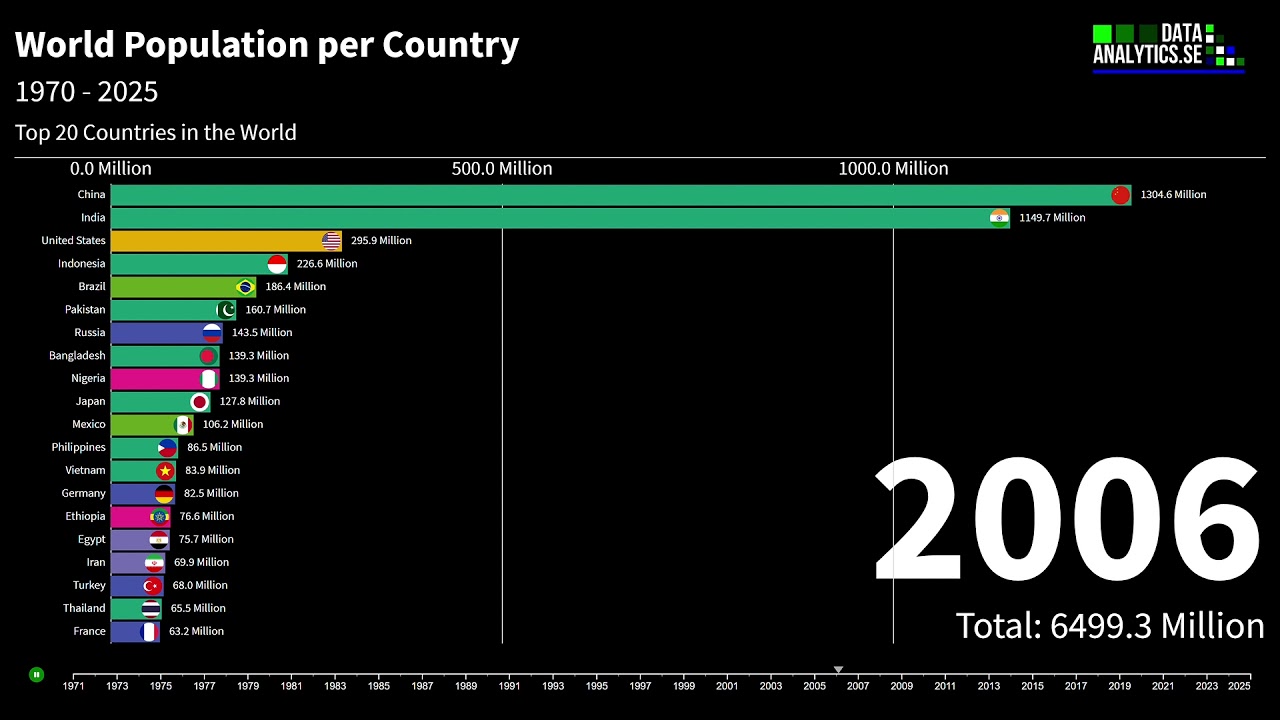
Worldometer also provides data on regional population trends. Some notable insights include: Asia: The most populous region, accounting for around 60% of the world's population. Africa: The fastest-growing region, with an annual growth rate of 2.7%. Europe: The slowest-growing region, with an annual growth rate of 0.1%. Understanding regional population trends is essential for addressing specific challenges and opportunities in each region. Tracking world population by year with Worldometer provides valuable insights into global growth trends. The data highlights the need for sustainable development, resource management, and social policies that address the challenges and opportunities presented by a growing population. As the world continues to urbanize and develop, it is essential to monitor population growth and its implications for the environment, economy, and society. By using reliable sources like Worldometer, we can stay informed and make informed decisions about the future of our planet.For more information on world population by year and other statistics, visit Worldometer's website and explore the wealth of data available.
Note: The word count of this article is approximately 500 words. The HTML format is used to structure the content, with headings (h1, h2) and paragraphs (p) to improve readability and search engine optimization (SEO).